community engagement
The co-design process primarily involved two target groups: the collaboration pacts and the COSO community.
Collaboration Pacts
The first step of the community engagement process involved a series of interviews conducted between December and January with representatives of the active Collaboration Pacts in District 4.
Focus on Collaboration Pacts: Collaboration Pacts (or civic agreements) are formal tools through which private citizens, organizations and the public administration come together to manage, maintain, regenerate and bring to life urban commons such as squares, courtyards, schools, gardens and abandoned spaces. Their purpose is to promote co-design and shared governance of urban assets, based on mutual trust and concrete commitments

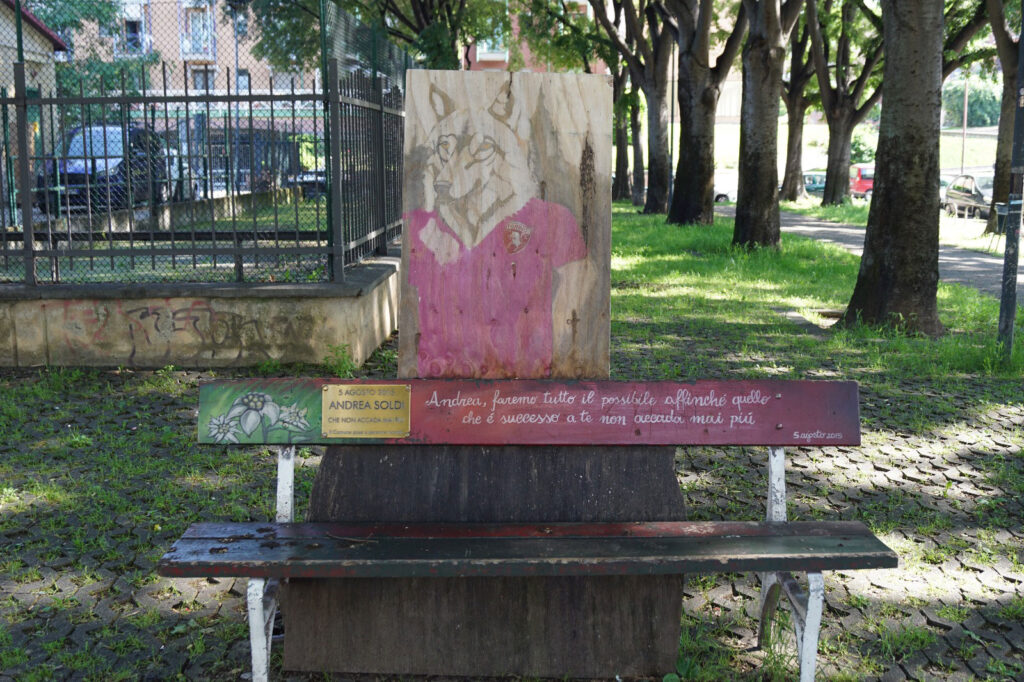
Piazza Paravia & Piazza Umbria in Turin
The interviews supported both the research team and the District 4 Municipality in assessing the state of each Pact, identifying the existing needs and available resources and, most importantly, understanding each actor’s current or desired involvement in circular practices and systems. This process helped promote and incentivize their future participation in the implementation of a CUE.
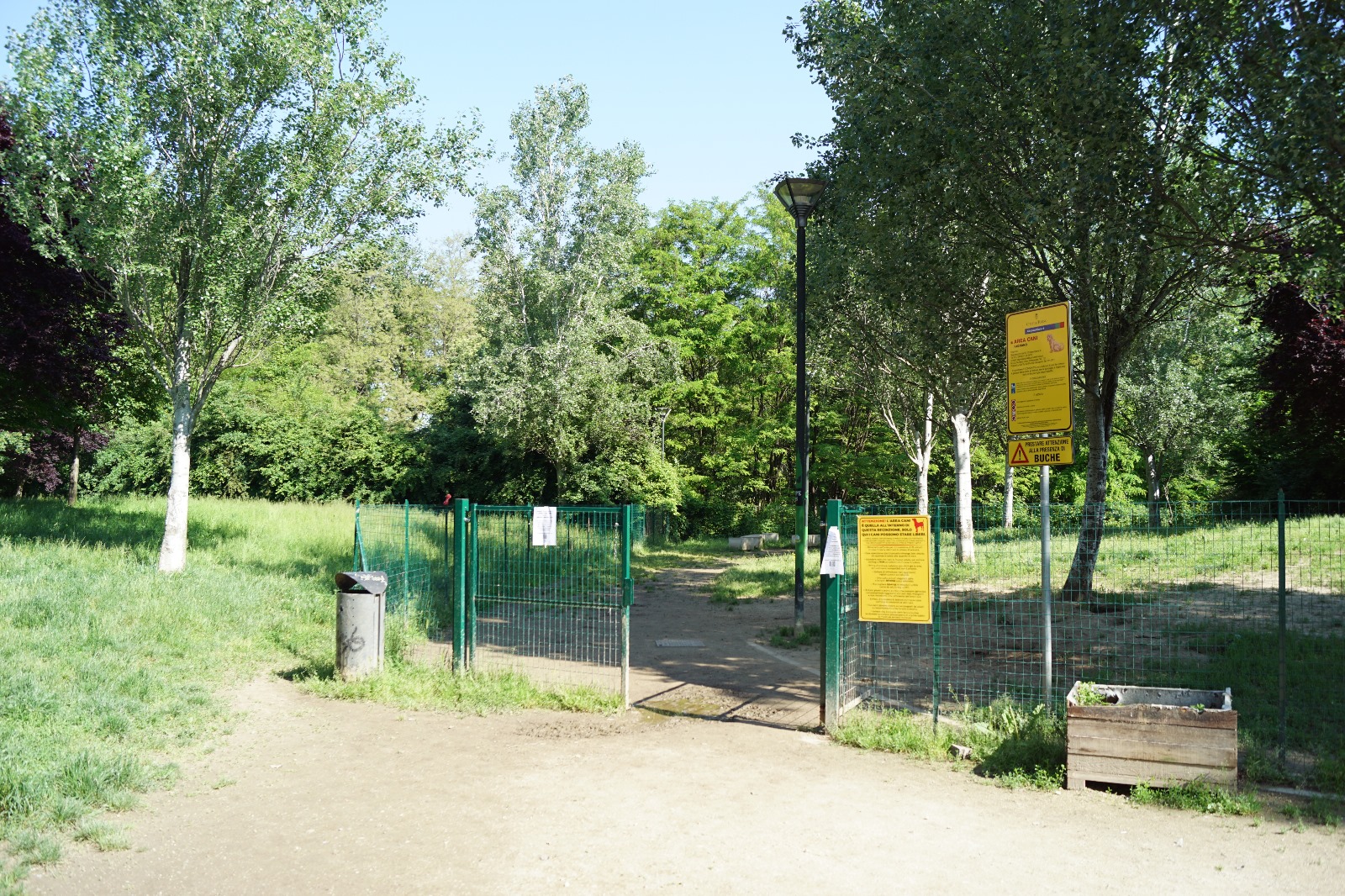
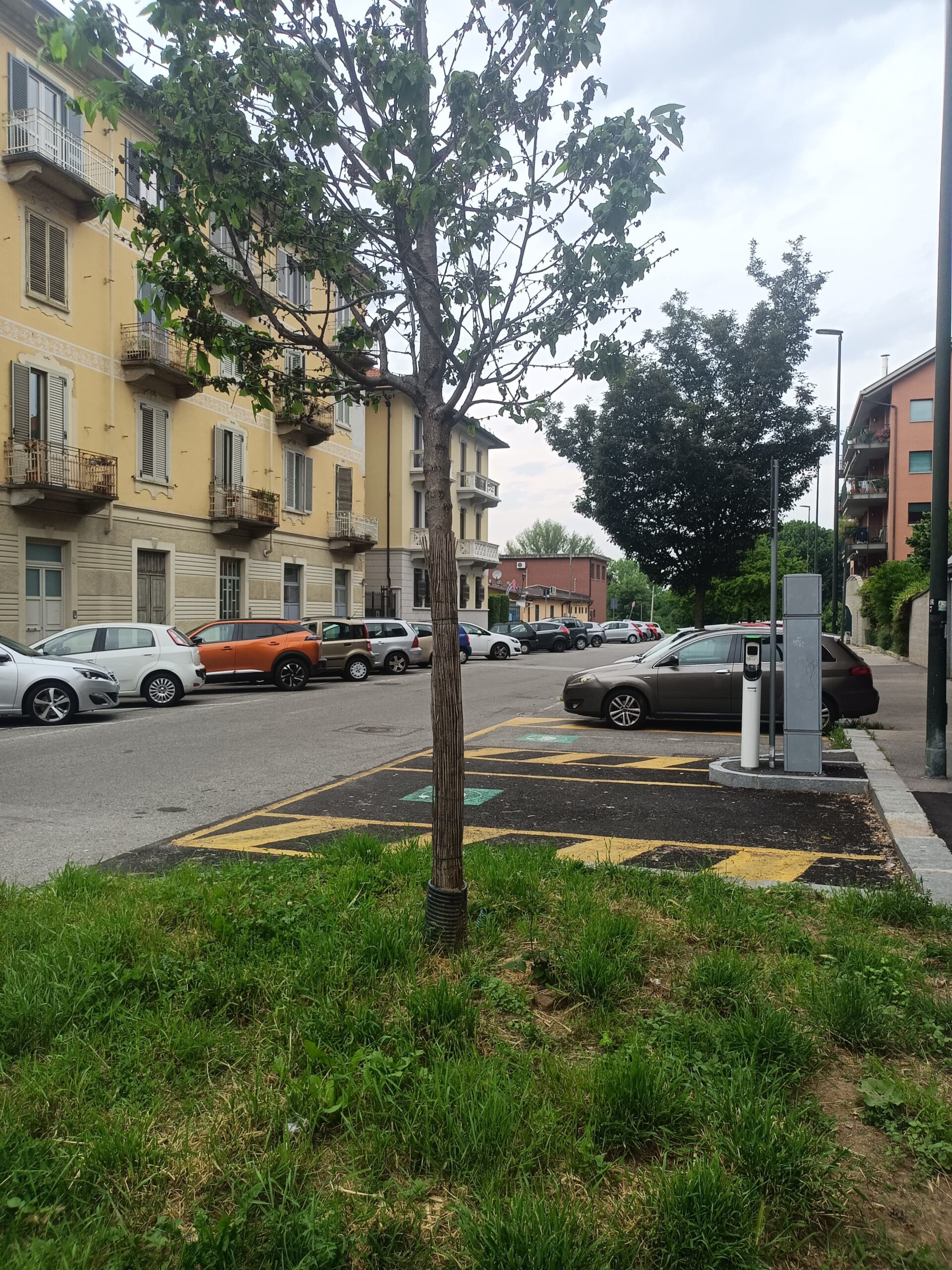
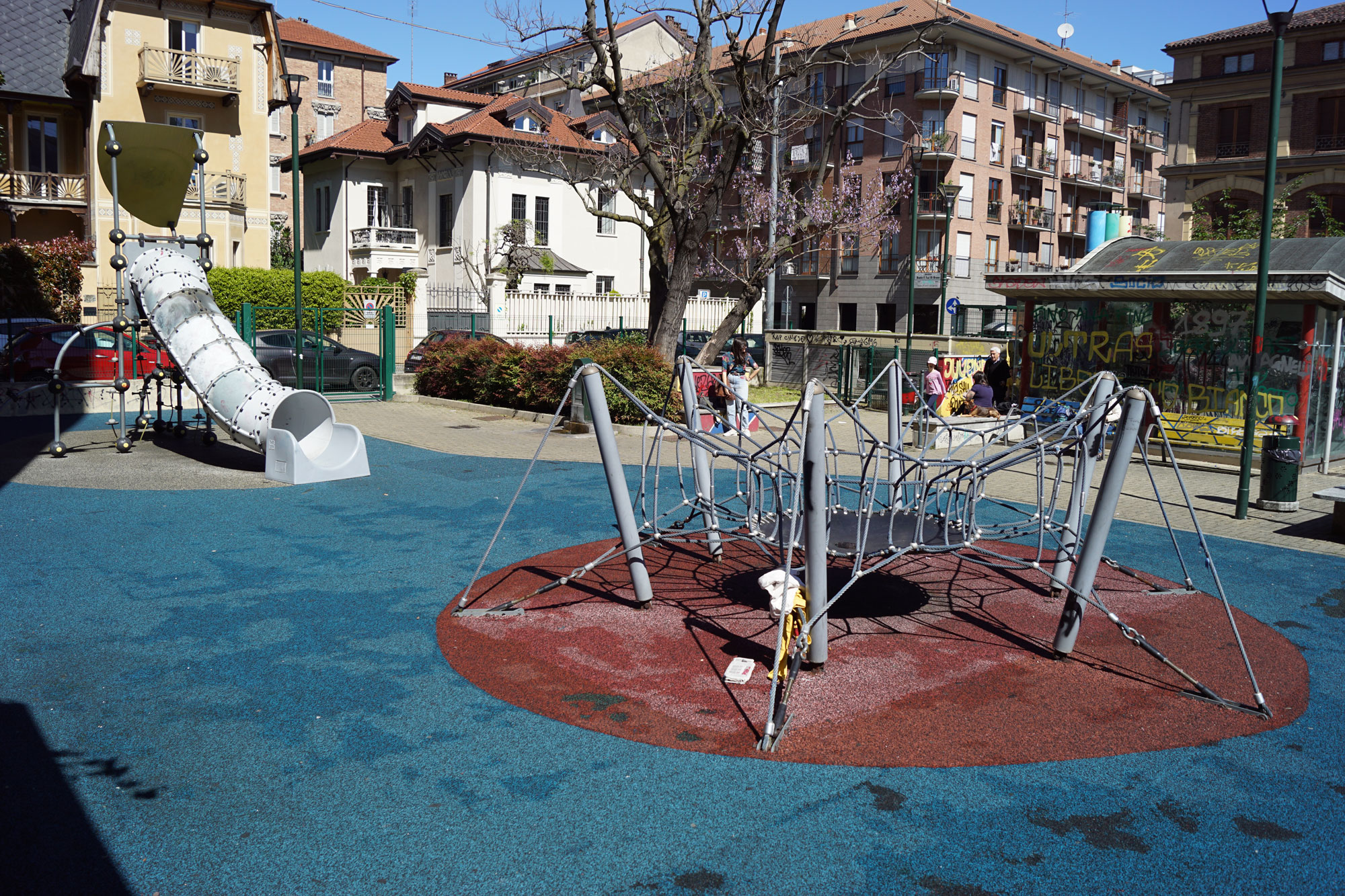
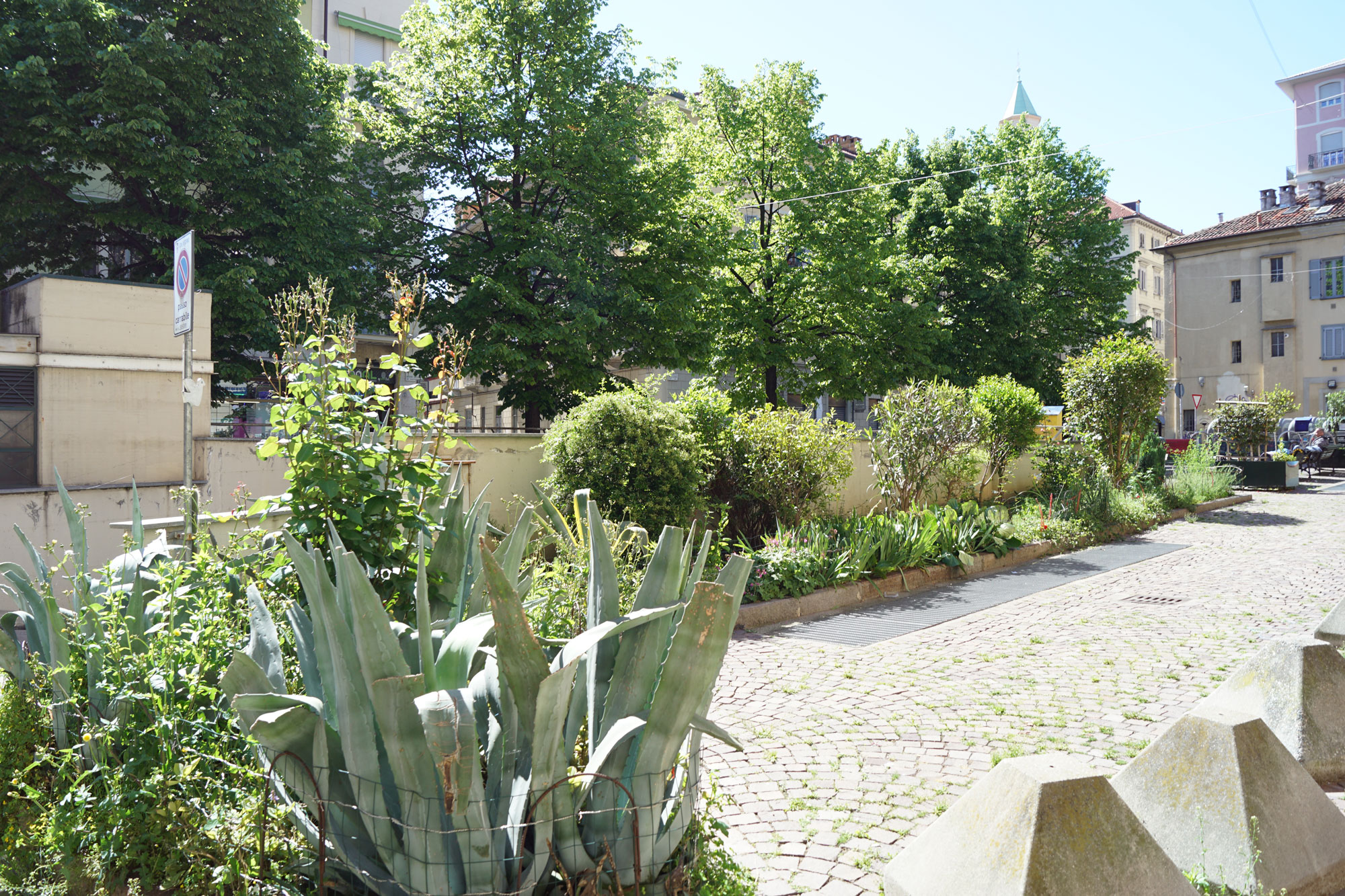
Spots of collaboration pacts: Faa di Bruno Garden, Piazza Paravia, Fagnano Garden & Salbertrand Flowerbed
The COSO Community
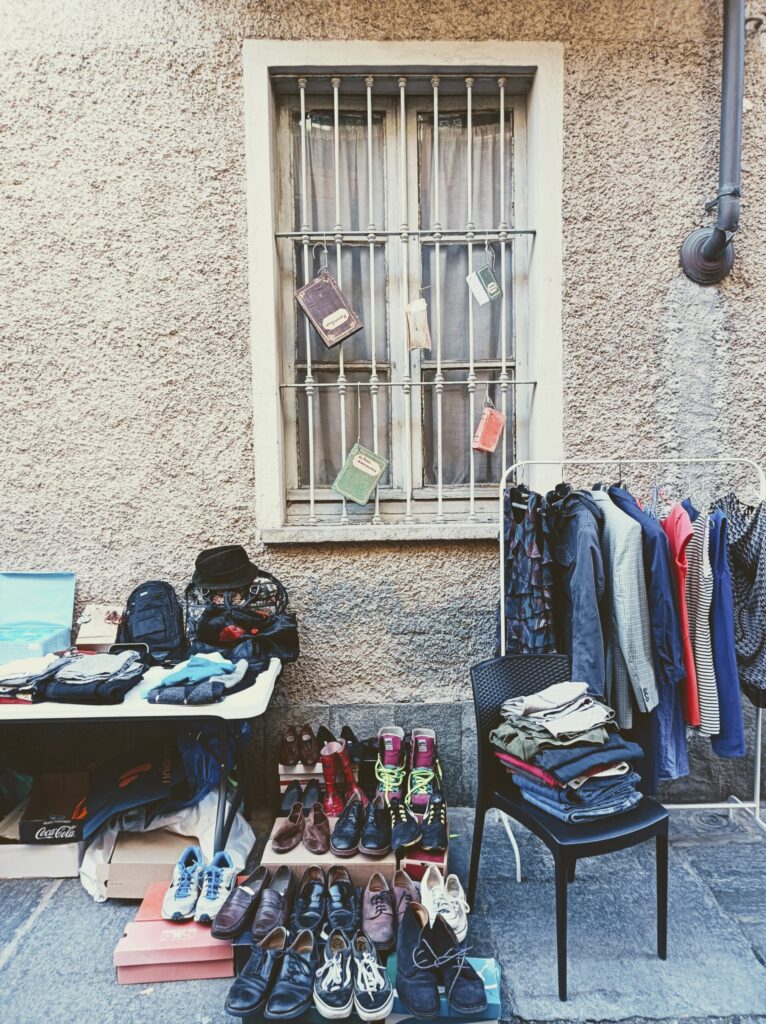
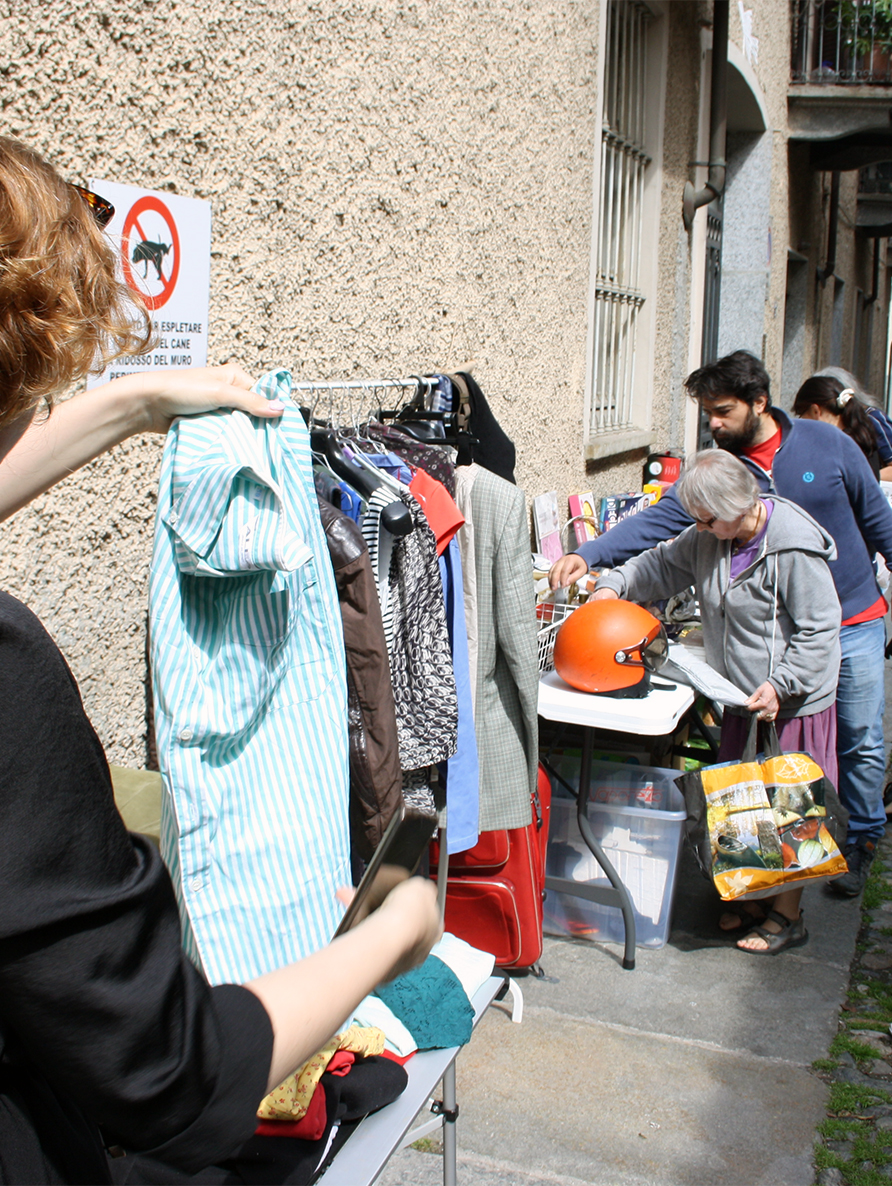
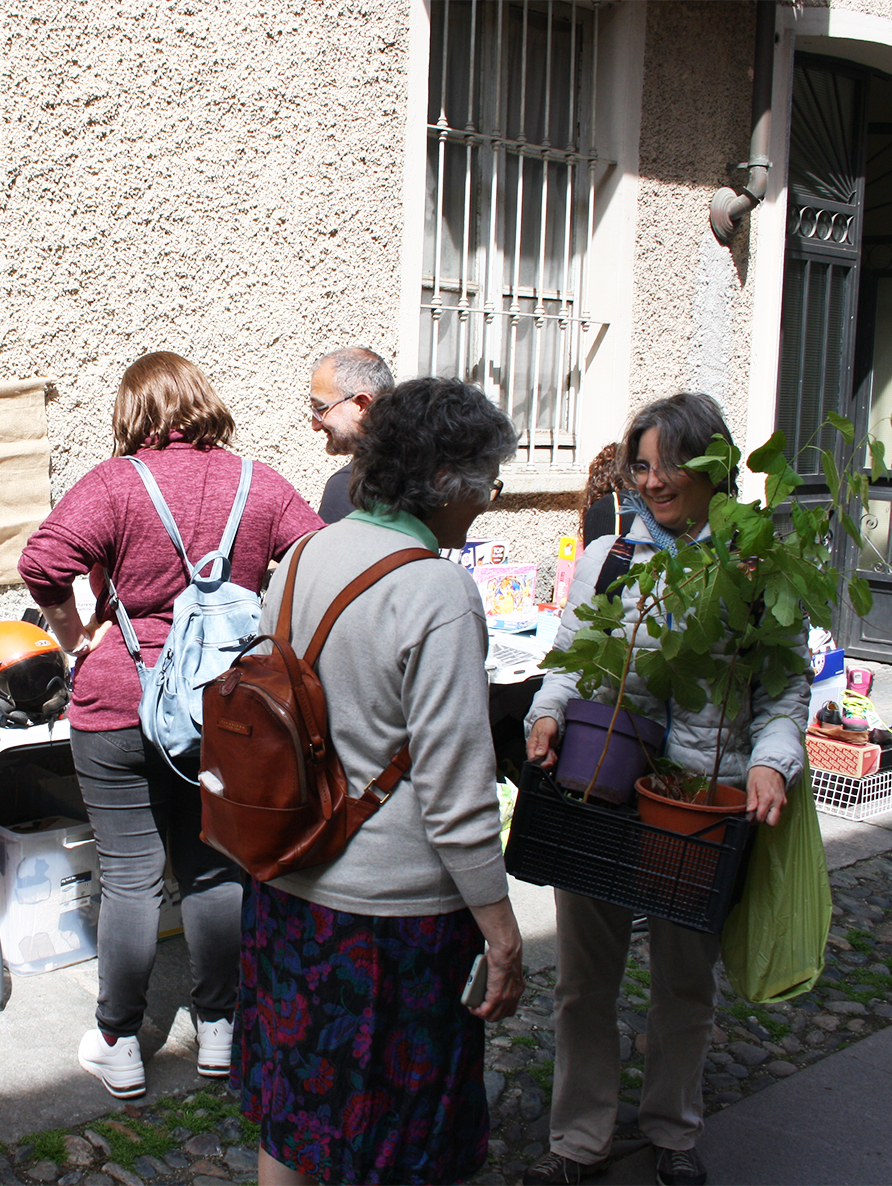
The second target group involved in the community engagement process was the COSO Community. COSO (Comunità Organizzata Scambio Oggetti – Organized Community for Sharing Objects) is a “Library of Things” initiative active in District 4, implemented by the cultural association LPM. This community, already familiar with and receptive to both the physical and digital methods foundational to the creation of a CUE, consists primarily of individuals aged 40 to 70. It served as a virtuous example of social cohesion and collective motivation.
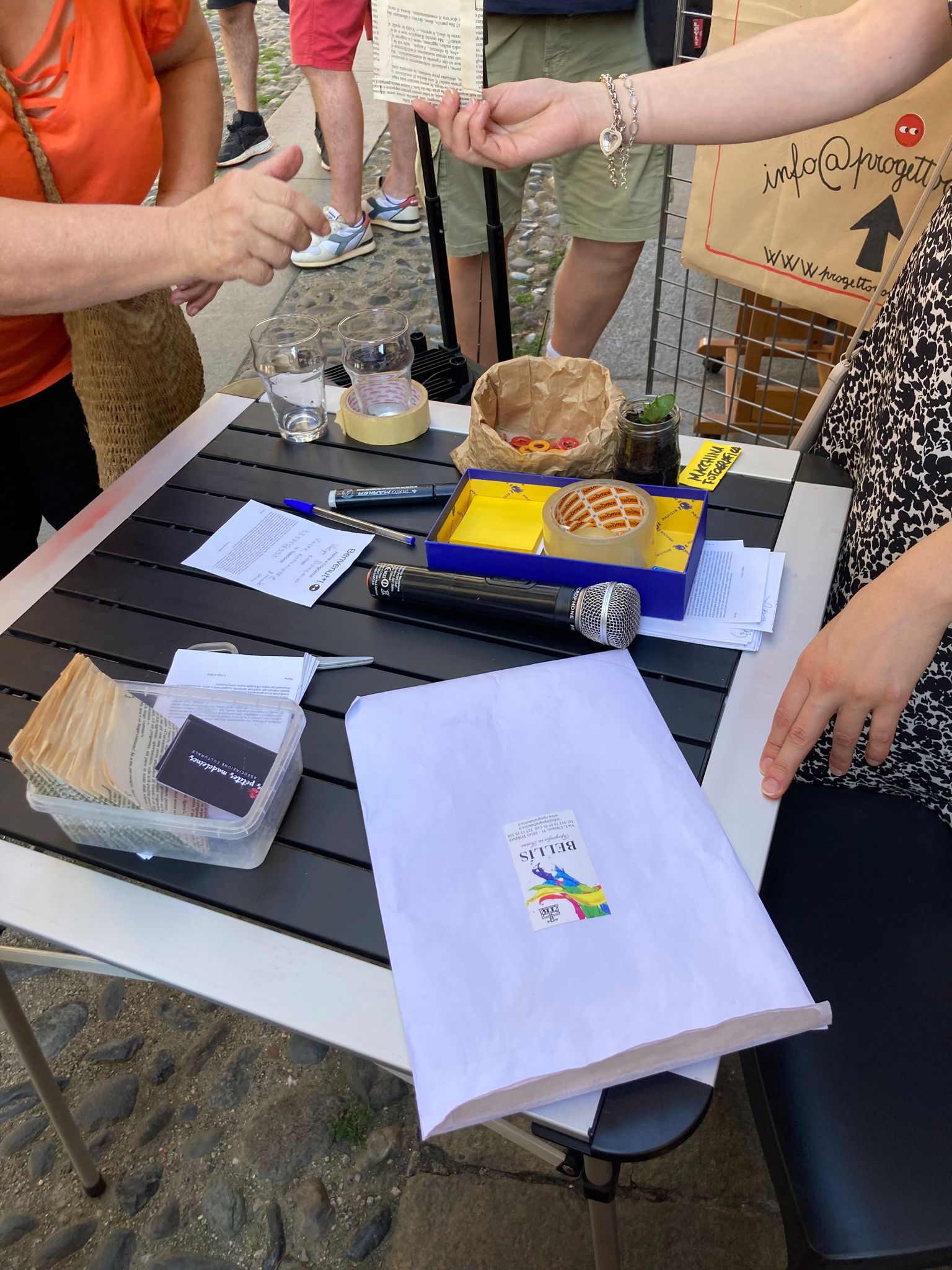
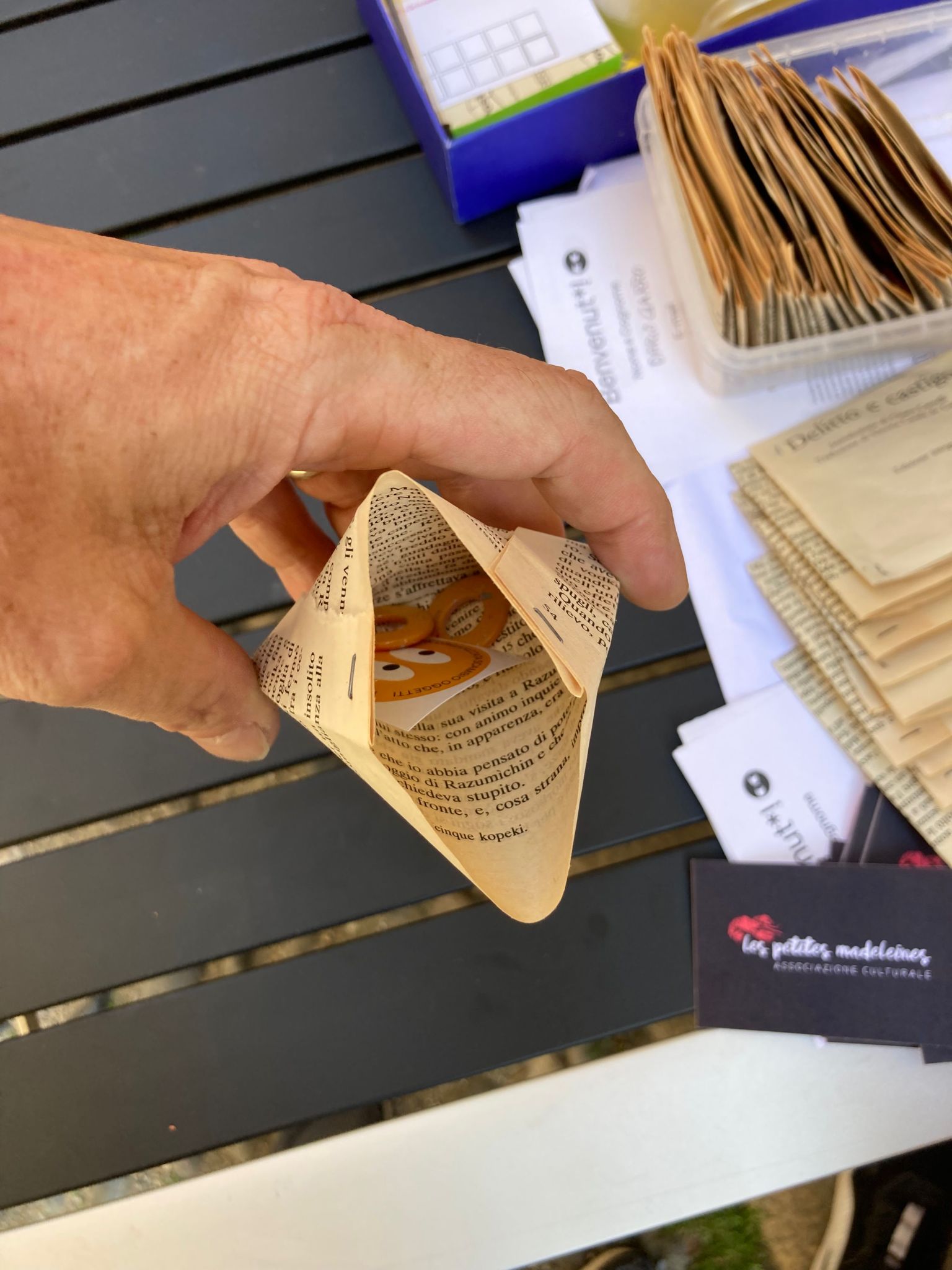
1st Community Engagement Event
It’s important to highlight that all the community engagement activities were held in public spaces – such as libraries and civic centers – and were open to the public, not limited to the identified target groups.
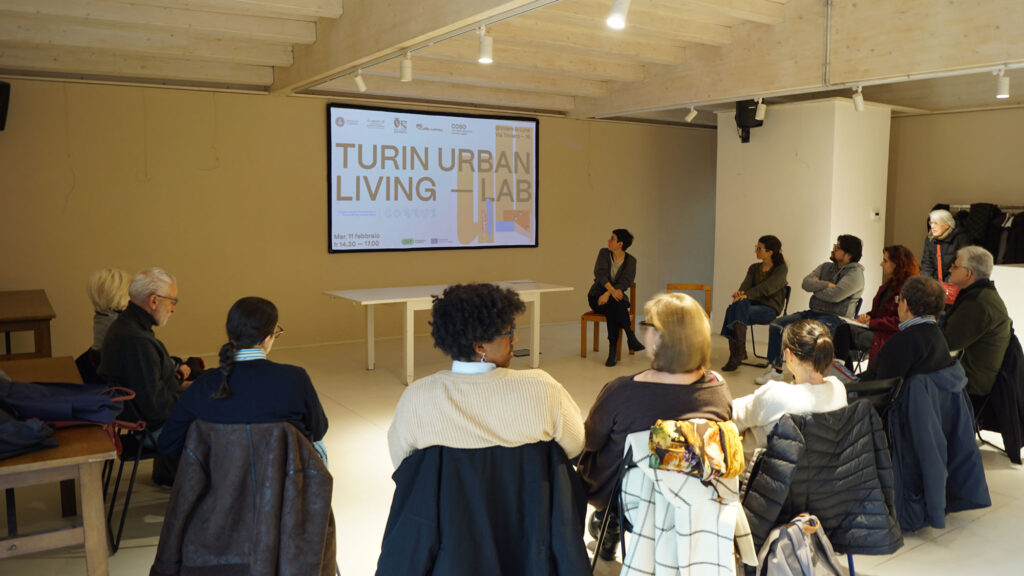
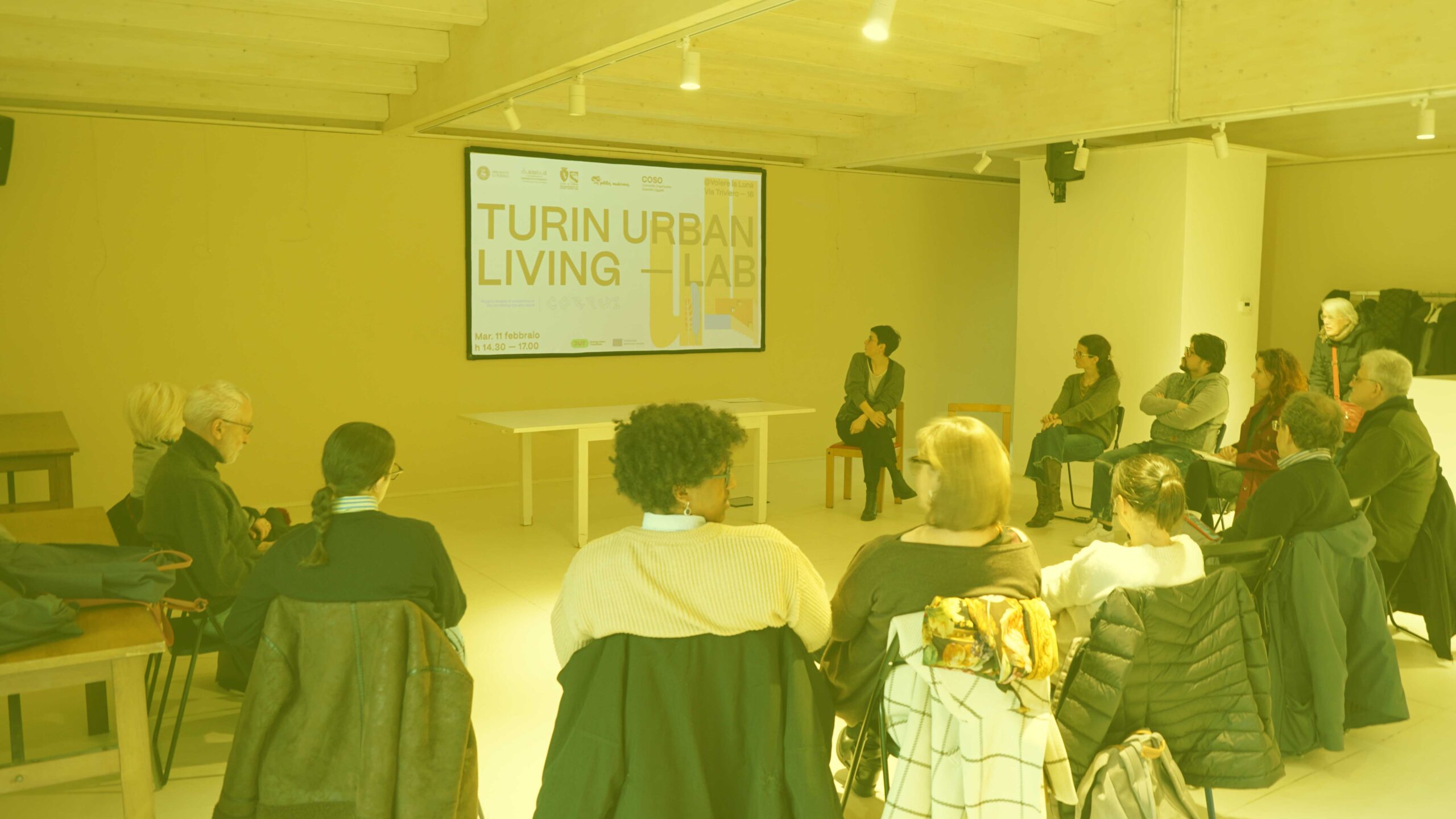
The first community engagement event took place on February 11th, at the Volere la Luna association’s headquarters, and served as a public restitution meeting. During this event, the findings from the Collaboration Pacts interviews were presented to both the public and representatives of the District 4 Municipality.

Key themes and insights that emerged include:
- Organizations and associations play a crucial role in fostering participation, ensuring continuity, and promoting the inclusion of individuals from groups at risk of vulnerability or exclusion.
- Conversely, management by private citizens often leads to the development of strong interpersonal bonds and close-knit communities.
- Usually, adults and elderly individuals are the most active in the management of the Pacts, outperforming teens and young adults.
- Overall, the relationship and communication between the Pacts could be improved, living room for the implementation of shared and circular practices.
2nd Community Engagement Event
The second engagement activity was held on March 20th, at the Library Service Point “I ragazzi e le ragazze di Utoya”, a small local library located in District 4.
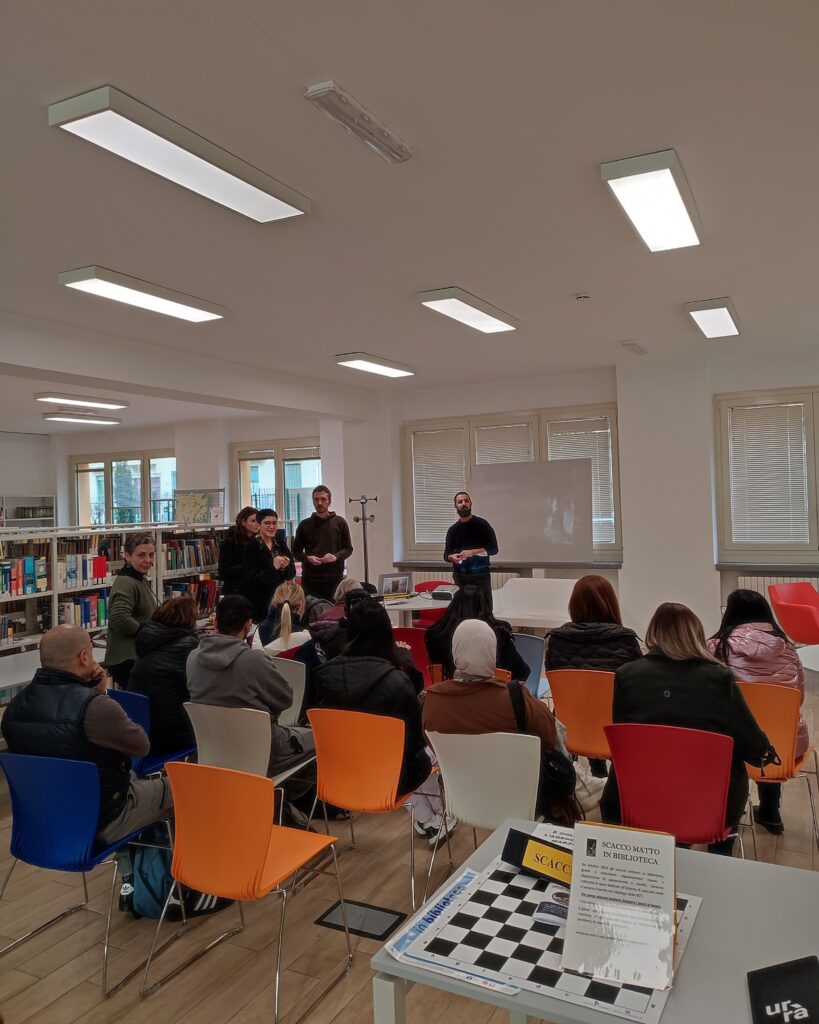
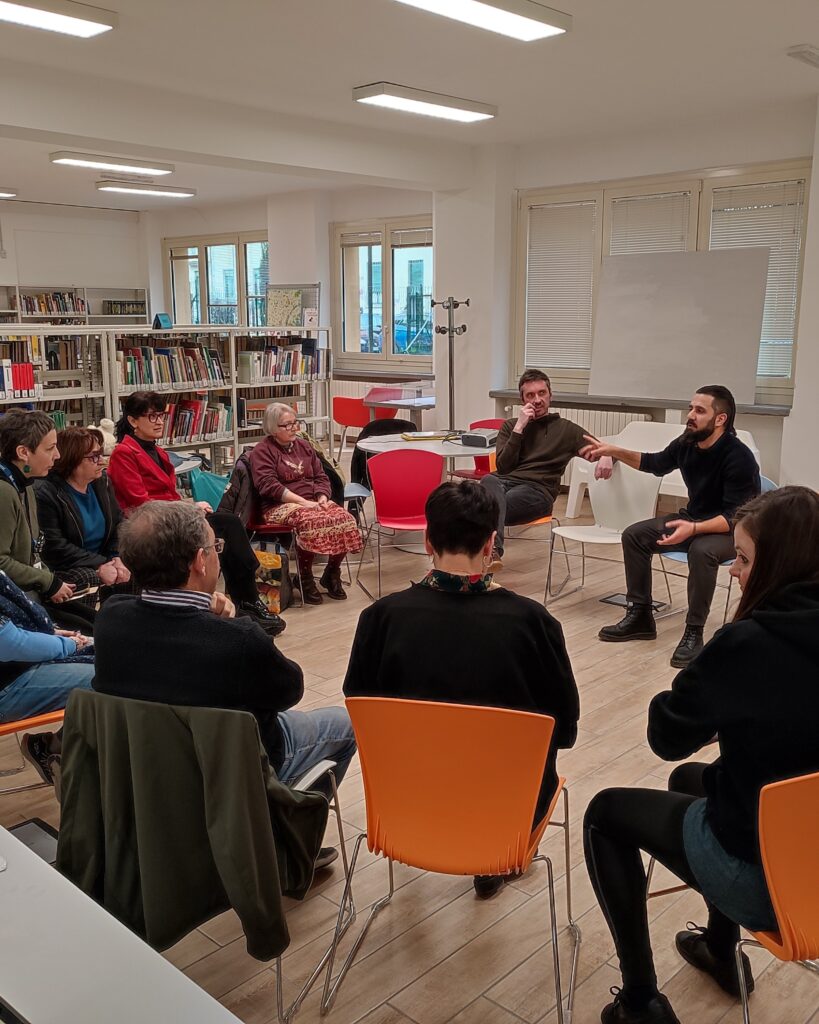
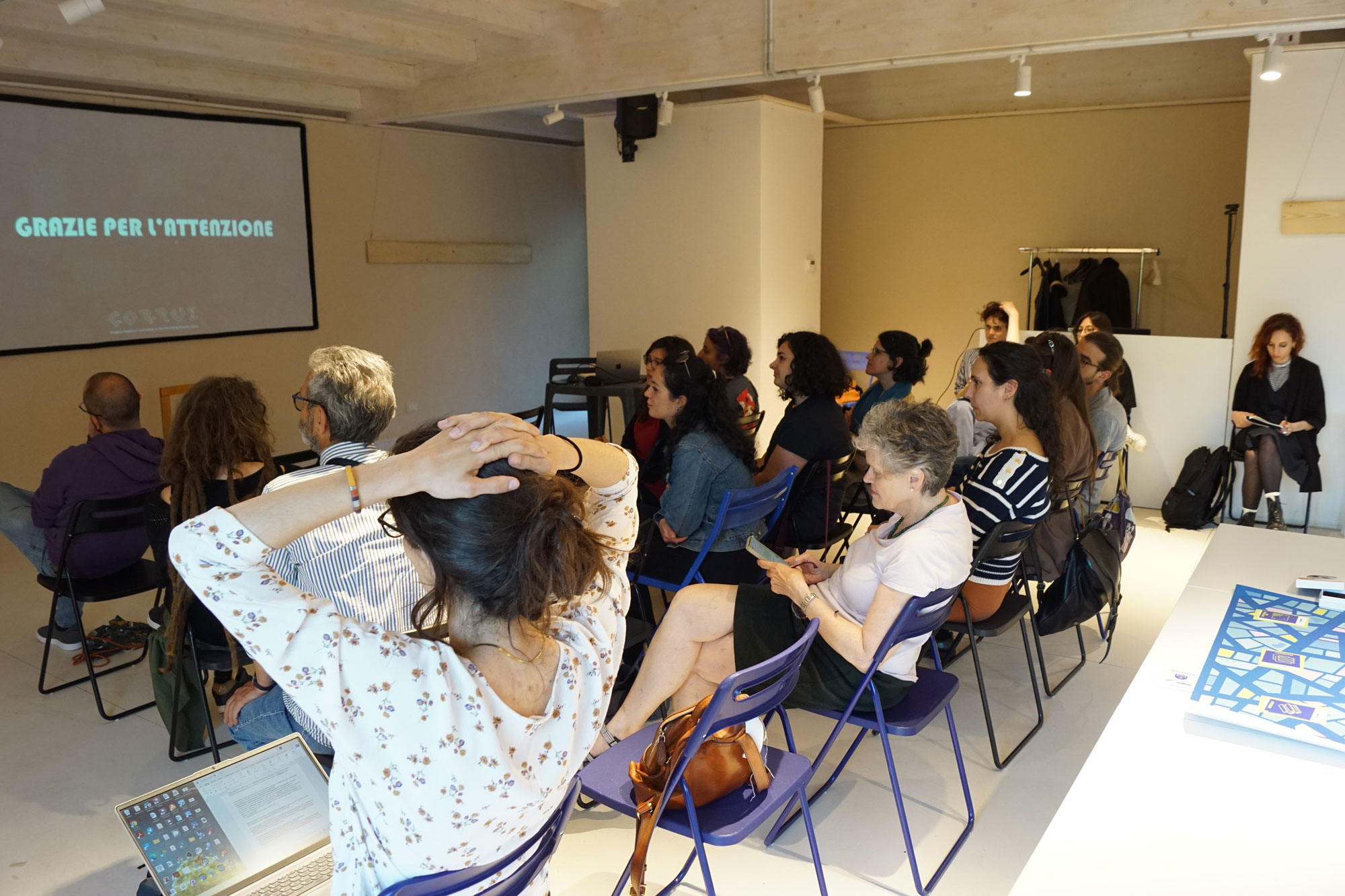
After an in-depth presentation on the COSO project outlining all stages of the project, from the drafting of the shared manifesto to the co-design of the web-app, and a practical session consisting of a small Swap Party, the participants took part in a Fab Tech Lab: conducted as an open roundtable discussion, the activity encouraged participants to share reflections and insights derived from their personal experience in applying CUE.
3rd Community Engagement Event – Corpus Game
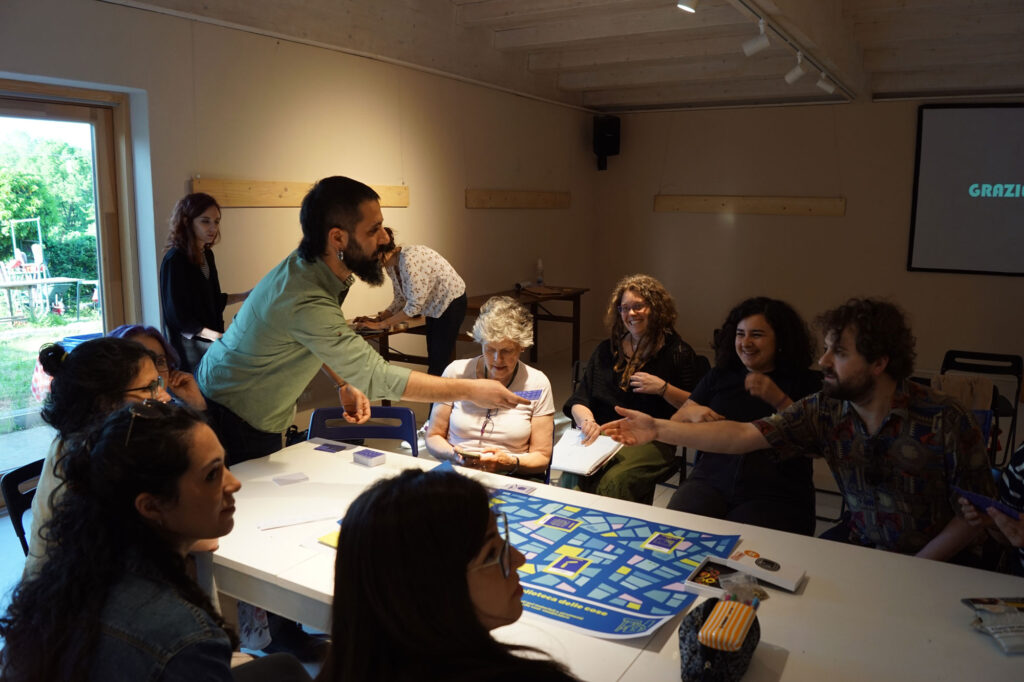
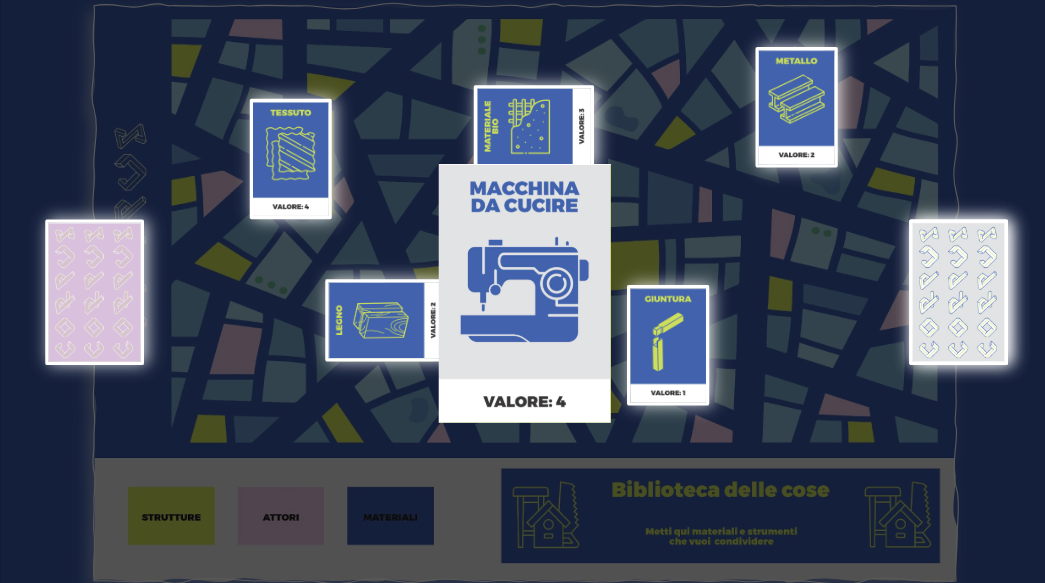
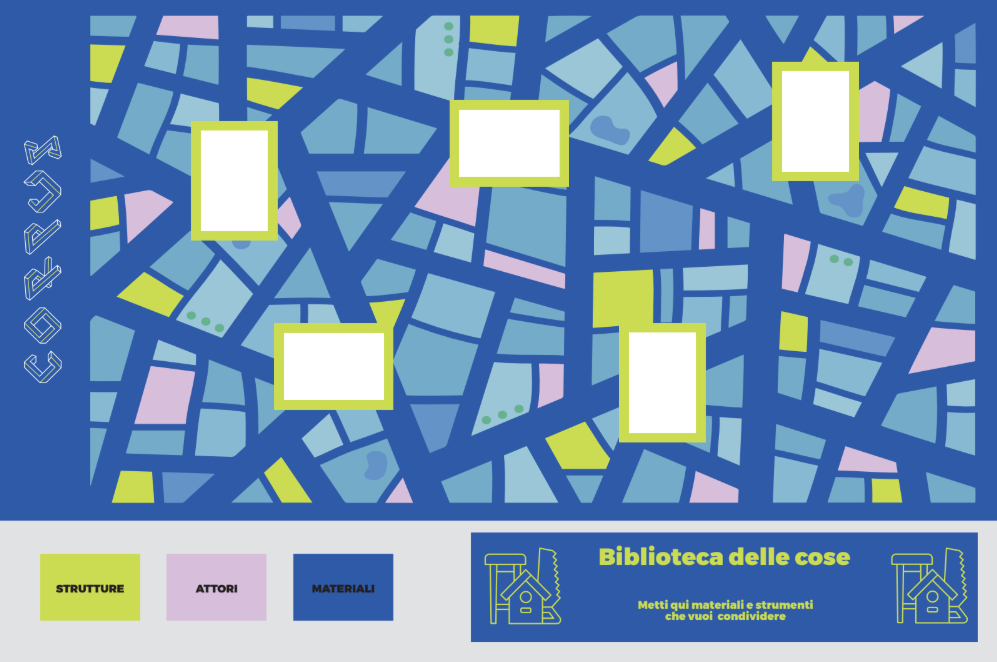
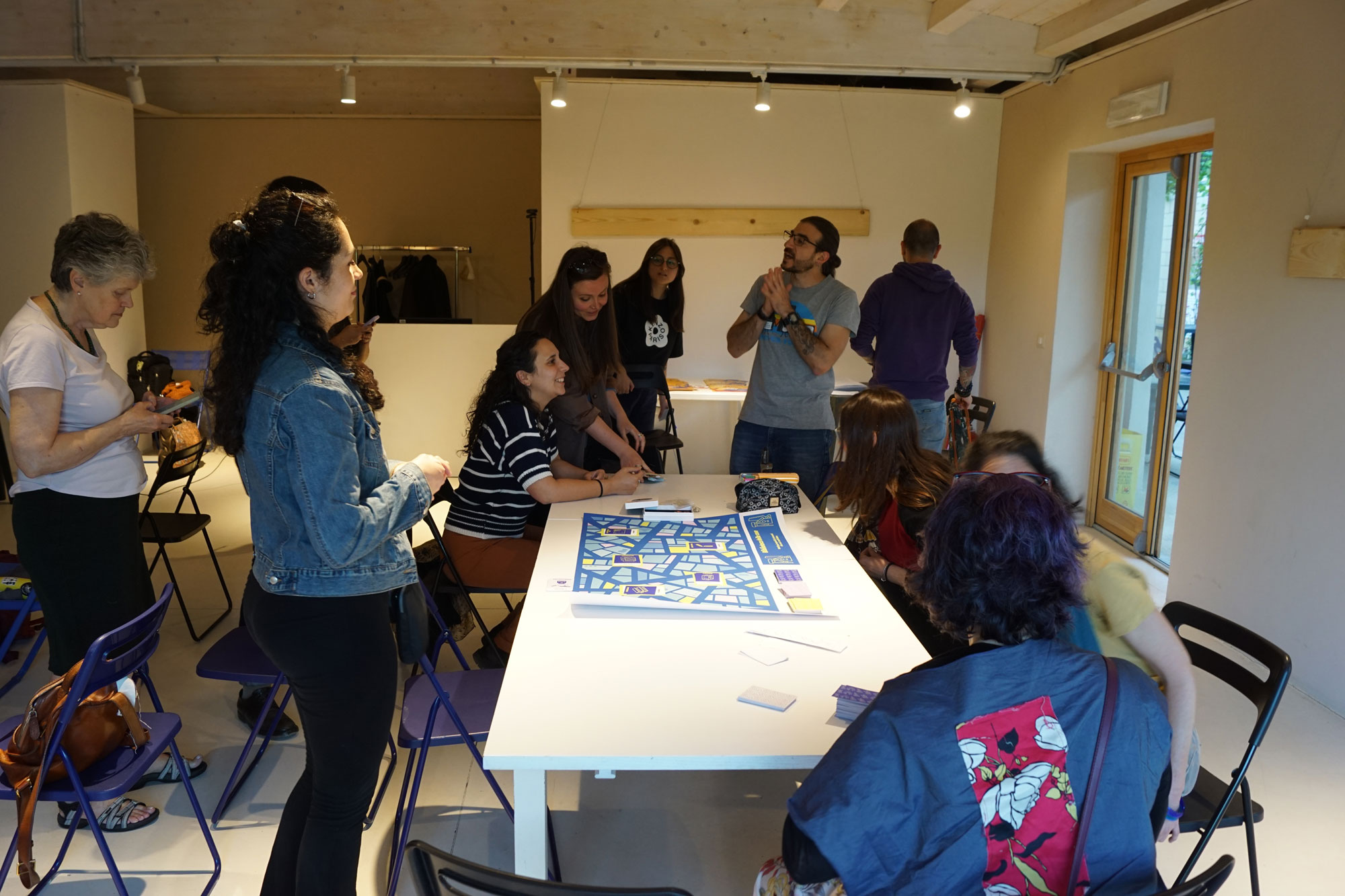
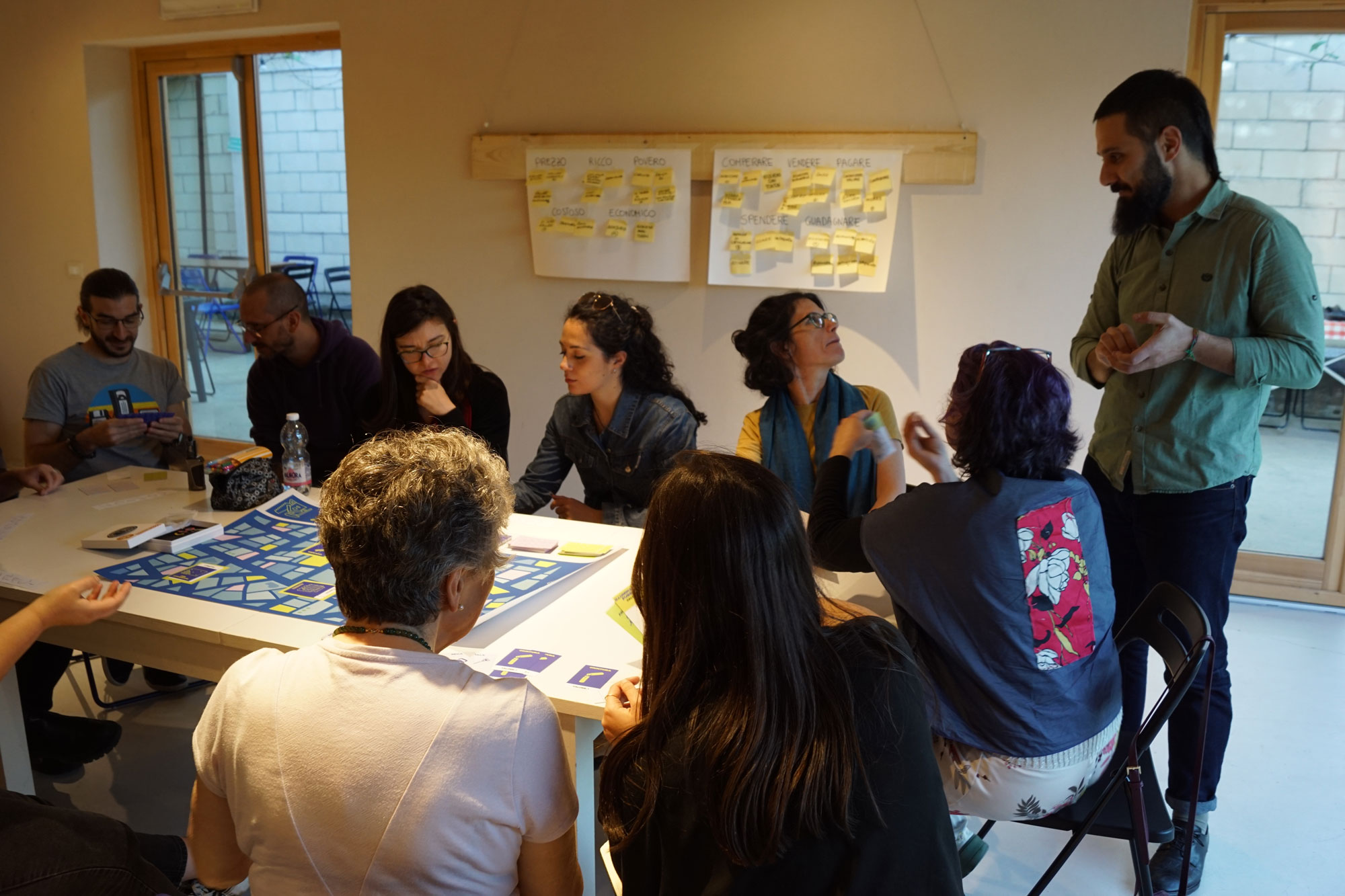
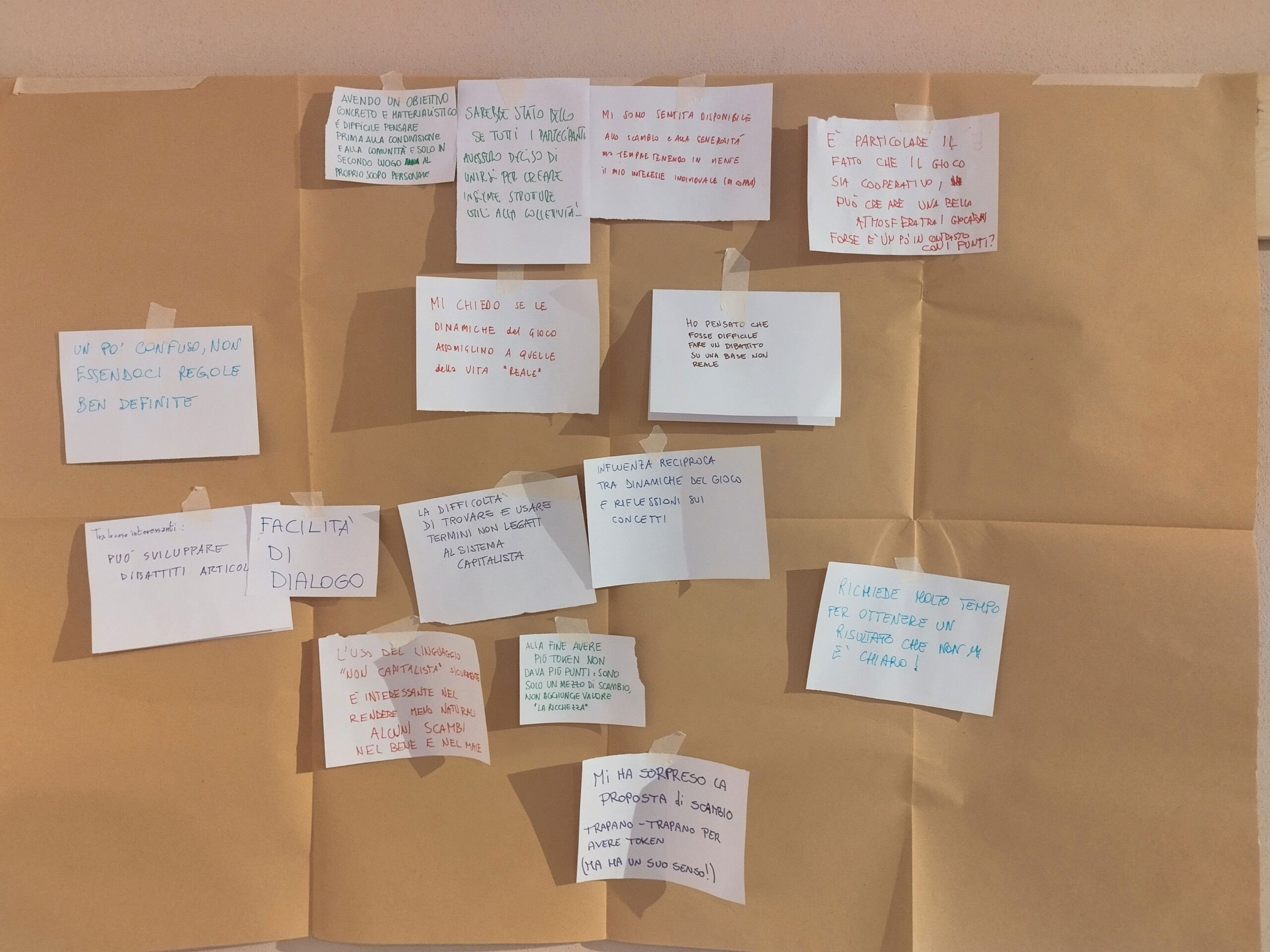
The third community engagement event was held on April 30th at the headquarters of the Volere la Luna association. Participants engaged in a board game developed by OLA, designed to promote upcycling, circularity, collaboration, and participation through a value-exchange system. The objective of the game was to build and develop infrastructure within the open urban spaces of an imaginary neighborhood represented on the game board, by exchanging the necessary materials and tools with other players or borrowing them from the Community Lab through token exchange.
Facilitated by members of LPM, the gameplay allowed participants to experience firsthand the dynamics of collaboration that are essential to creating a cohesive, purpose-driven community. The game also challenged the players to find a way out of the capitalistic mindset by reframing the function of tokens: not as a store of value, but as a tool to foster cooperation and collective and individual progress.