Introduction
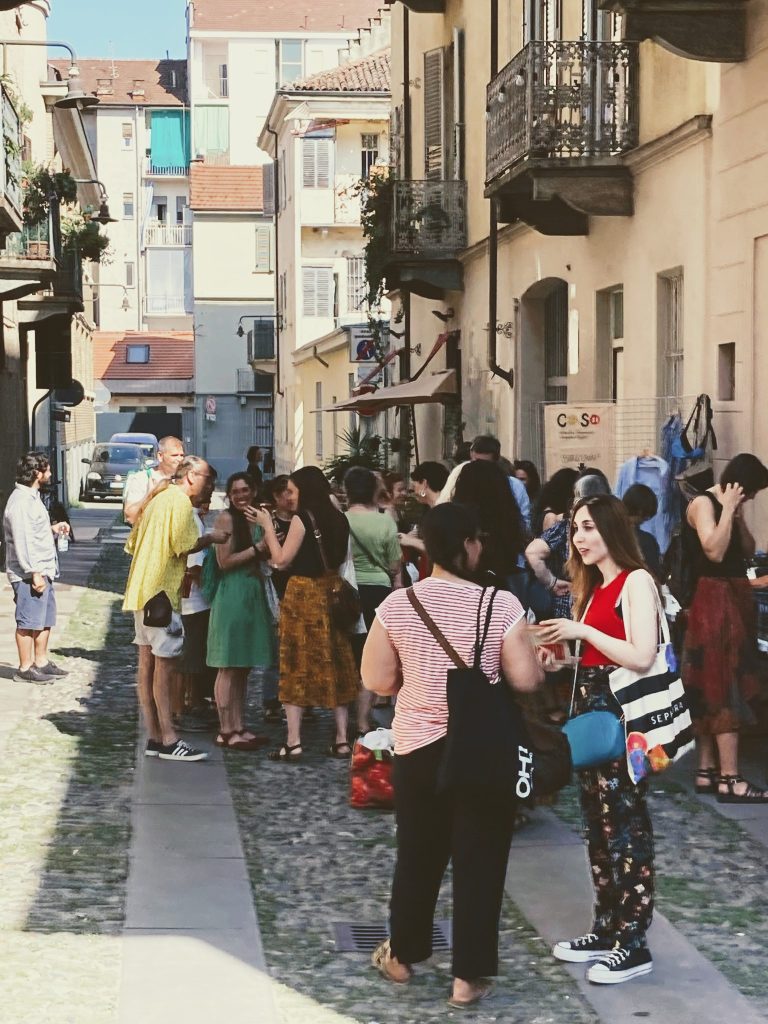
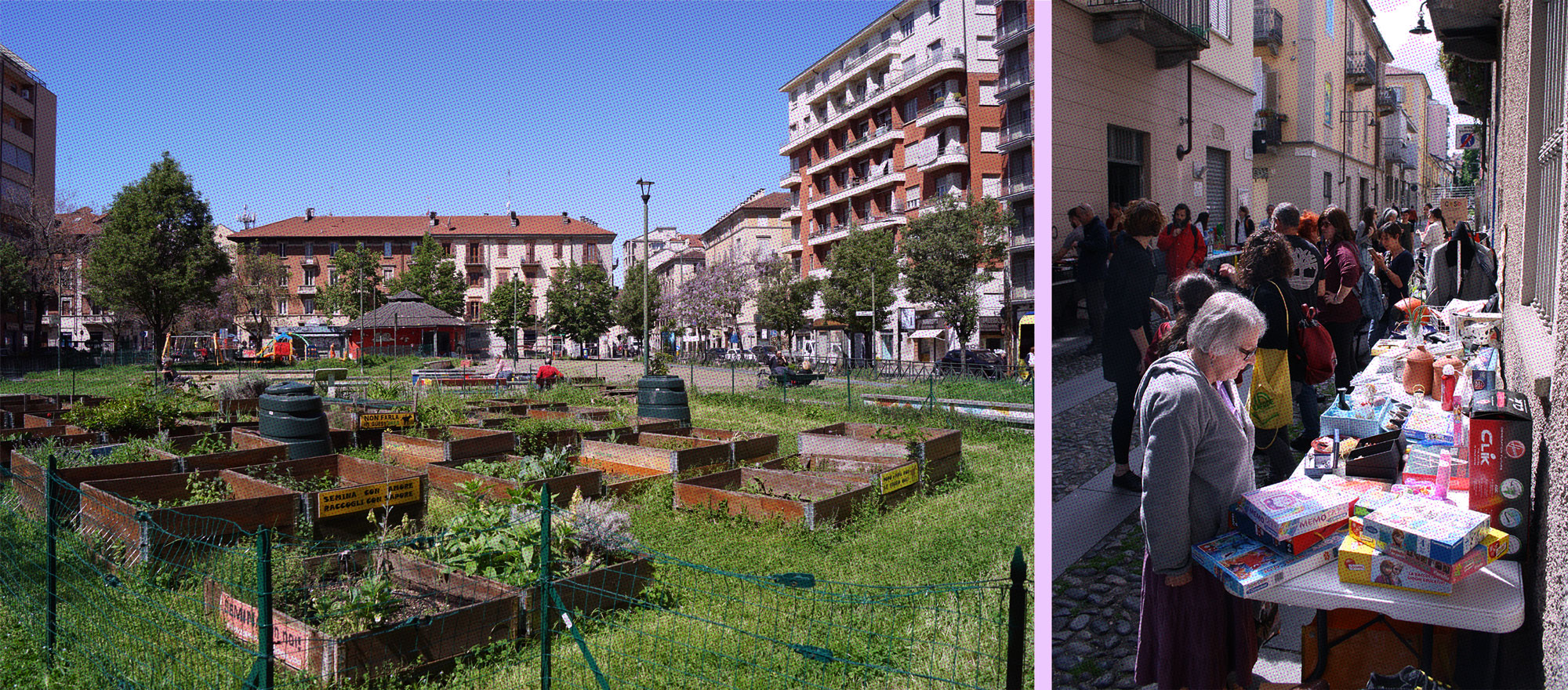
The Turin Urban Living Lab takes root in the Borgo Campidoglio neighbourhood of District 4 — a dynamic area shaped by recent multicultural migration and a particularly active civil society, situated midway between the city centre and the periphery. At its heart is COSO (Comunità Organizzata Scambio Oggetti), a Library of Things initiative run by the cultural association Les Petites Madeleines (LPM), which has built a community strongly motivated to implement circular urban economies through the lending, exchanging and reusing of everyday objects. With early experiments in blockchain-based digital tools already underway and a growing network of Collaboration Pacts — civic agreements between citizens, associations and the local municipality for the shared care of urban commons — District 4 offered fertile ground for the CORPUS research.
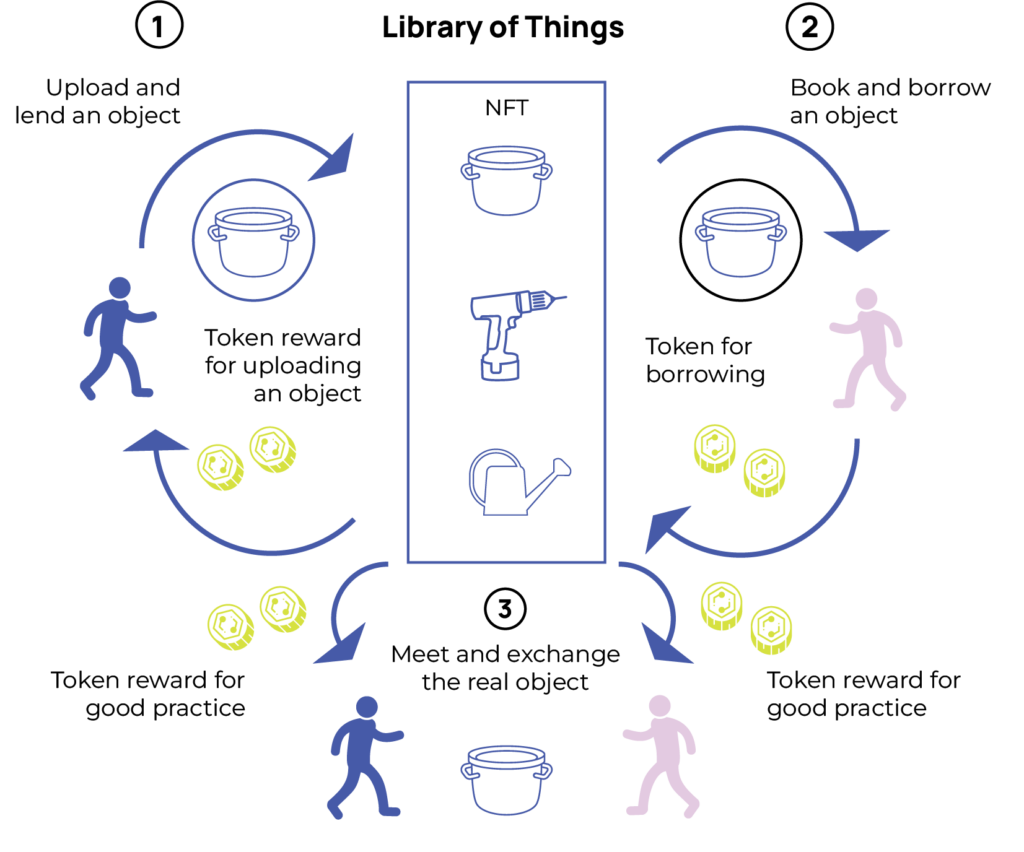
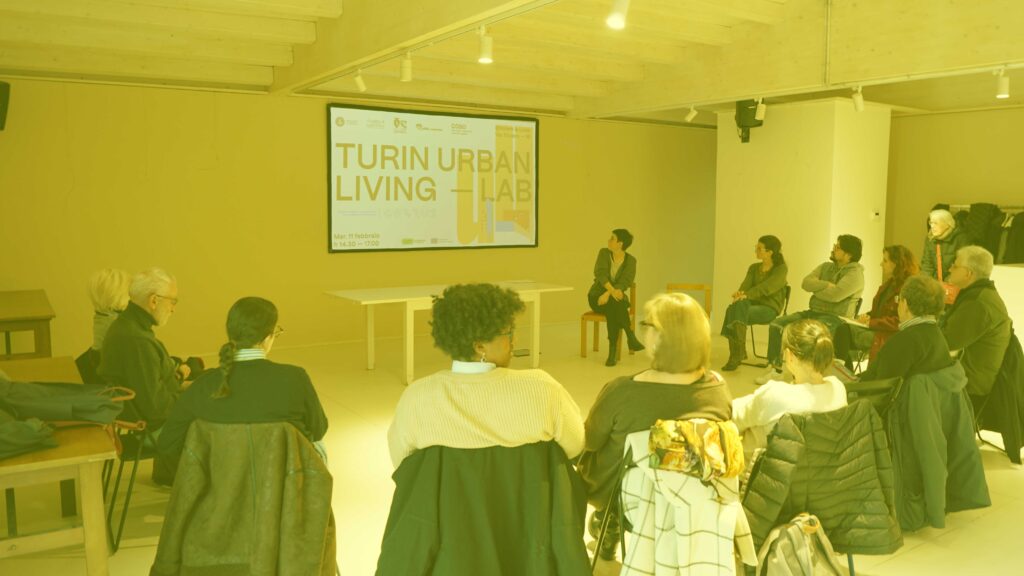
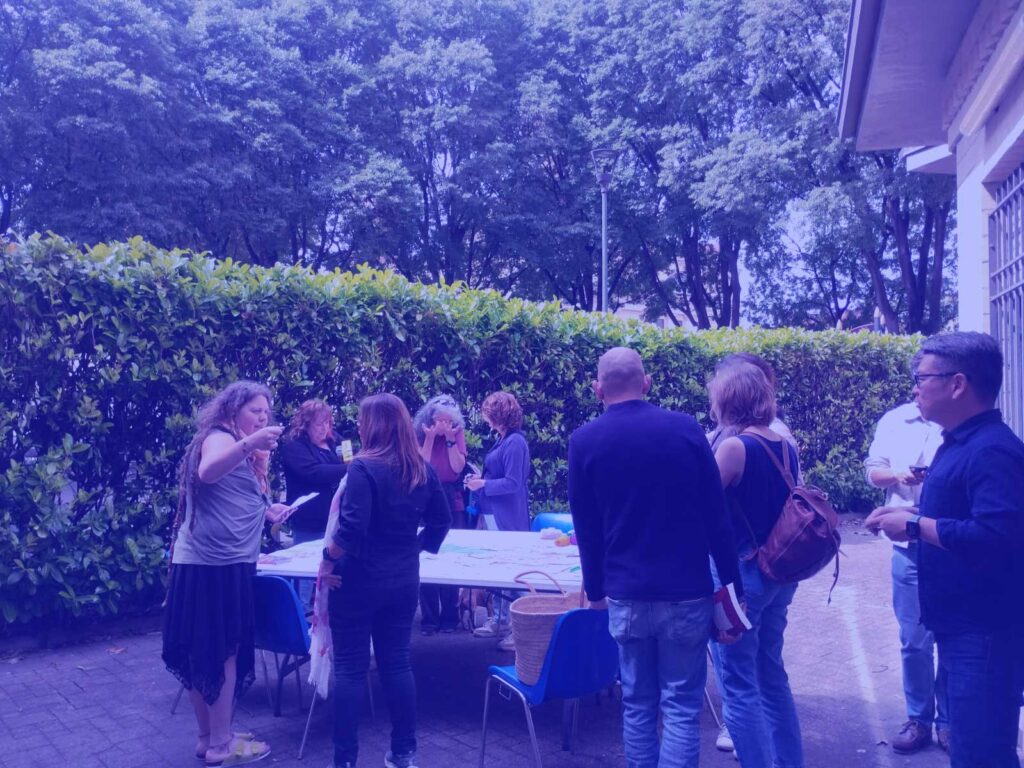
It is precisely this kind of community-led, resource-sharing ecosystem that CORPUS sets out to learn from and expand. In Turin, the research takes shape through a co-design process built on sustained engagement with two target groups: the active Collaboration Pacts of District 4 and the COSO community itself. The lab unfolded in two episodes. The first focused on building a shared vision — mapping needs, resources and relationships through interviews, public restitution events and a purpose-built board game that invited participants to rehearse the dynamics of circular cooperation. The second moved into design — three co-design workshops held across District 4 in May explored how to model tools and flows for sharing resources, spaces and time, and how tokens might support exchange and lending without losing the non-transactional spirit at the heart of the community. Each step brought the lab closer to its aim: a replicable model of phygital cooperation rooted in the lived experience of a neighbourhood already practising circularity.